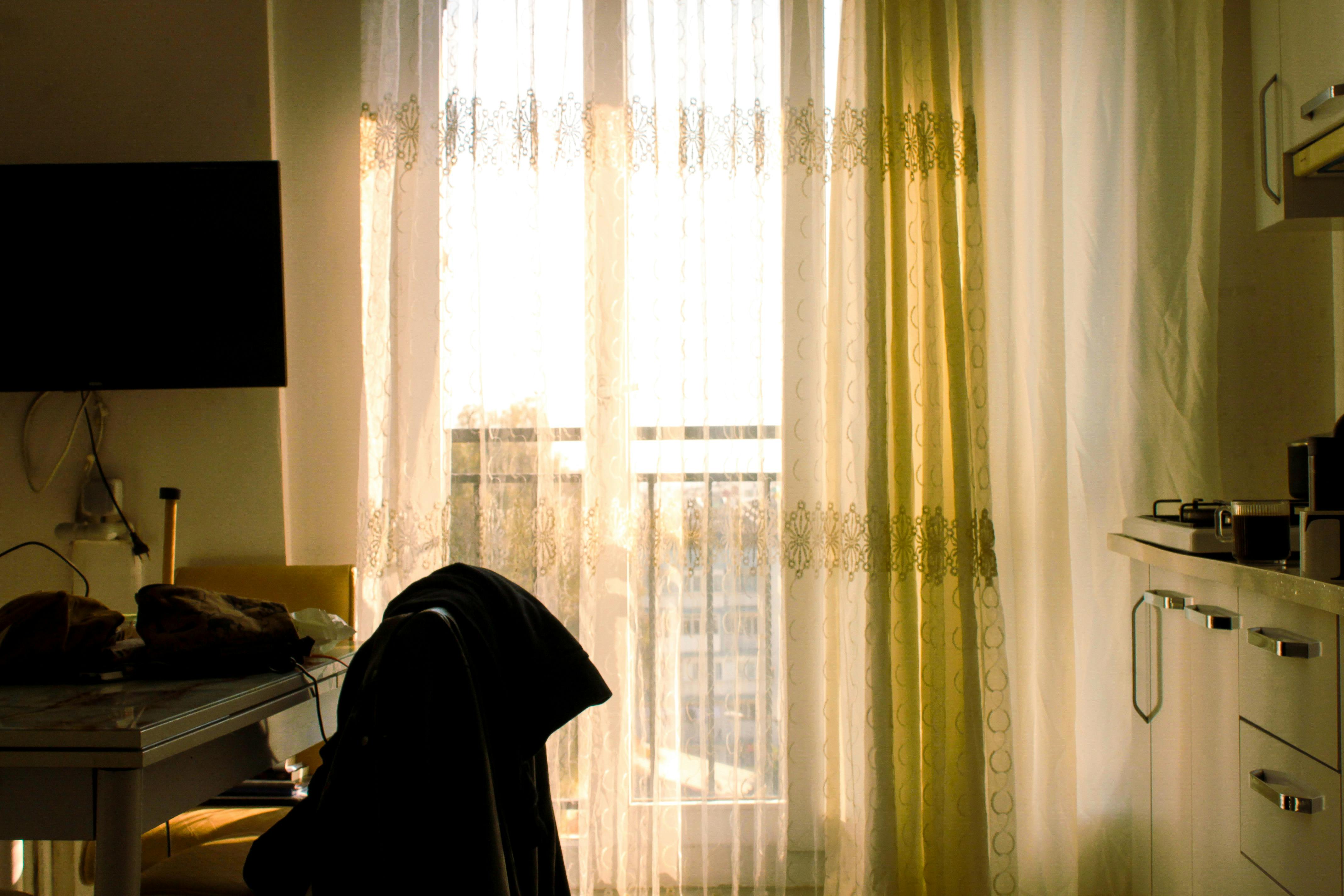
The late afternoon, between three and five pm, is the most undervalued hour in the modern Indian home. The morning has done its work. The lunch has been eaten and cleared. The day's urgent demands have, for a brief window, exhausted themselves. The evening, with its reconvening of the household, its dinners and its conversations, has not yet begun. There is, in this gap, a kind of permission that no other part of the day offers. The household is, for these two hours, briefly suspended.
Most households now miss this entirely. The two hours are spent on the phone, on a second wave of work, on errands that could have waited. The late afternoon, which used to be the hour of the slow tea, the long letter, the lying down with a book, has been overwritten by a continuous workday that no longer recognises an afternoon at all. The hour passes, unfelt, and the household moves directly from lunch to evening without ever entering the gap in between.
What the hour offers
The light, first. The late afternoon light in India, particularly in the months between October and February, is the most beautiful light the country produces. The sun is low enough to enter rooms at an angle that the noon sun cannot. The shadows are long and warm. The walls of a west-facing room turn briefly gold. This light is the light of every great Indian photograph of domestic life, the light that filmmakers reach for. It is also the light that, if the household is not paying attention, passes through the home unobserved.
The temperature, second. The late afternoon, even in summer, is when the heat begins, almost imperceptibly, to break. By four, a slight breeze. By five, the air is moving. The household that has kept the windows shut against the noon heat can begin to open them. The home, which has been a sealed environment for the morning, begins to breathe again.
The mind, third. The body and the mind, having worked through the morning, are at a particular kind of low ebb in the late afternoon. This is sometimes mistaken for tiredness and corrected with coffee. The honest reading is that this ebb is not a problem. It is the natural rhythm of the day, asking for a slowing. The household that listens to it, instead of overriding it, finds that the late afternoon is when reflection becomes available, when reading goes deeper, when conversations have a different quality, when the small private thoughts that the morning bulldozed over come back into view.
The late afternoon is not an interruption to the working day. It is the working day's natural pause, mistaken by modern households for an inefficiency to be optimised away.
The Indian afternoon, historically
Older Indian households knew the afternoon. The siesta, in some form, was nearly universal across regions. The shops closed between one and four. The children came back from school and lay down. The grandparents took their nap. The household, briefly, went quiet. By the time work resumed, around four or five, the day had been broken in half, and the second half was as fresh as the first.
This was not laziness. It was a structure that recognised the Indian climate, which makes activity in the early afternoon physiologically harder, and the Indian temperament, which has always valued the unhurried hour. The continuous nine-to-six workday, imported from a colder country with a different relationship to noon, was always a poor fit for Indian latitudes. The household that has reverted, in some form, to a broken-up afternoon, is the household that has acknowledged a climate truth that the spreadsheet does not.
The professional reality of modern work makes a full siesta impossible for most households. But a small version of it is still available. The thirty-minute lying-down at three pm. The slow cup of tea at four. The fifteen minutes on the verandah, with the newspaper, before the evening begins. These are not luxuries. They are small returns to a rhythm the body has always known.
What the hour rewards
The late afternoon, used well, rewards three things that the rest of the day does not.
The first is reading. The deep, slow, attentive reading that the morning rarely permits. The morning reading is news. The late afternoon reading is the long article, the chapter, the essay that requires the mind to stay with it. There is a reason that, across cultures, the late afternoon was historically the hour of letters and of reading. The mind, after lunch, is in the state where this kind of attention is available. Books read at four pm are remembered differently from books read at nine am.
The second is conversation, the unhurried kind. The phone call to the parent in another city, that has been postponed for a week. The walk with the spouse, while the cook prepares dinner. The small chat with the children before homework. These conversations, which require time and a kind of leisure, almost never happen in the morning rush or the evening tiredness. The late afternoon is when they fit.
The third is the small private thought. The reflection on something that happened earlier in the day. The half-formed idea that has been waiting for attention. The decision that has been deferred because no quiet moment was available. The household head who sits in a chair at four pm, looking out the window, with a cup of tea, is not unproductive. They are doing the kind of thinking that the rest of the day forecloses.
The seasonal afternoon
The late afternoon does not give the same gift in every season, and the household that has paid attention notices the variation. The summer afternoon, between three and five, is the most-needed of the year: it is the hour when the body, having endured the heat of two pm, begins to recover, and the home, in its sealed state, finally agrees to receive the wakeful mind again. This is the afternoon for shaded reading, for the floor fan rather than the AC, for the cup of cold water from the matka.
The monsoon afternoon is different, and easier to miss. The light is grey and even. The rain, if it has come, has saturated the air. The household's instinct, in this hour, is often to nap. The honest reading is that this nap is well-earned, and that the monsoon afternoon is, in fact, the year's permission to sleep without guilt for thirty minutes.
The winter afternoon, in north Indian cities particularly, is the year's gift hour. The sun is low and warm. The verandah, the terrace, the south-facing balcony, become, briefly, the most desirable spaces in the home. A chair, a book, a cup of tea, and the household has, for two hours, every reason not to be anywhere else.
The room for the late afternoon
Not every room in the home holds the late afternoon equally well. The room with west or southwest light, with a comfortable chair, with the absence of a screen, is the late afternoon room. The household that has identified this room and protected it, for these two hours, has unlocked something the home was already offering.
The chair matters. Not the dining chair. Not the desk chair. A reading chair, with arms, with a side table for the cup of tea, positioned so the light falls on the page from behind the shoulder. The simplest furniture: a low table, a lamp for when the light shifts, a small stool for the feet. This is the late afternoon's small infrastructure. Most homes do not have it because most homes have not thought of it.
The phone, ideally, is in another room. The household that has tried, and managed, to put the phone in a drawer for two hours of the afternoon, knows the difference. The hour without the phone is twice as long as the hour with it, and three times as restorative.
The recovery of the hour
A household that has lost the late afternoon can recover it, in a small experiment, over a fortnight. Two weeks of doing one thing differently between three and five pm. Not a heroic schedule. A modest one. A cup of tea, taken slowly, in a particular chair, at three thirty. A book picked up. The phone in another room. The television off. Twenty minutes of this, every day, for fourteen days.
What happens, in most households that try this, is small but real. By the end of the second week, the household has rediscovered an hour it had forgotten existed. The day, now broken in half, feels longer in a good way. The evening, when it arrives, finds the household less depleted. The conversations at dinner are better. The sleep at night is easier. None of this is dramatic. None of it would show up in a productivity metric. All of it accumulates.
The late afternoon is, in this sense, the most easily recovered hour in the modern household's day. It does not require anyone to leave their job, change their family arrangement, or reduce their commitments. It requires only that the household, for two hours, agrees to slow down, and to recognise that those two hours, taken slowly, return more than they appear to cost. The home, used in this way, is at its most generous between three and five. The household that knows this is the household that, almost without effort, lives a little better.