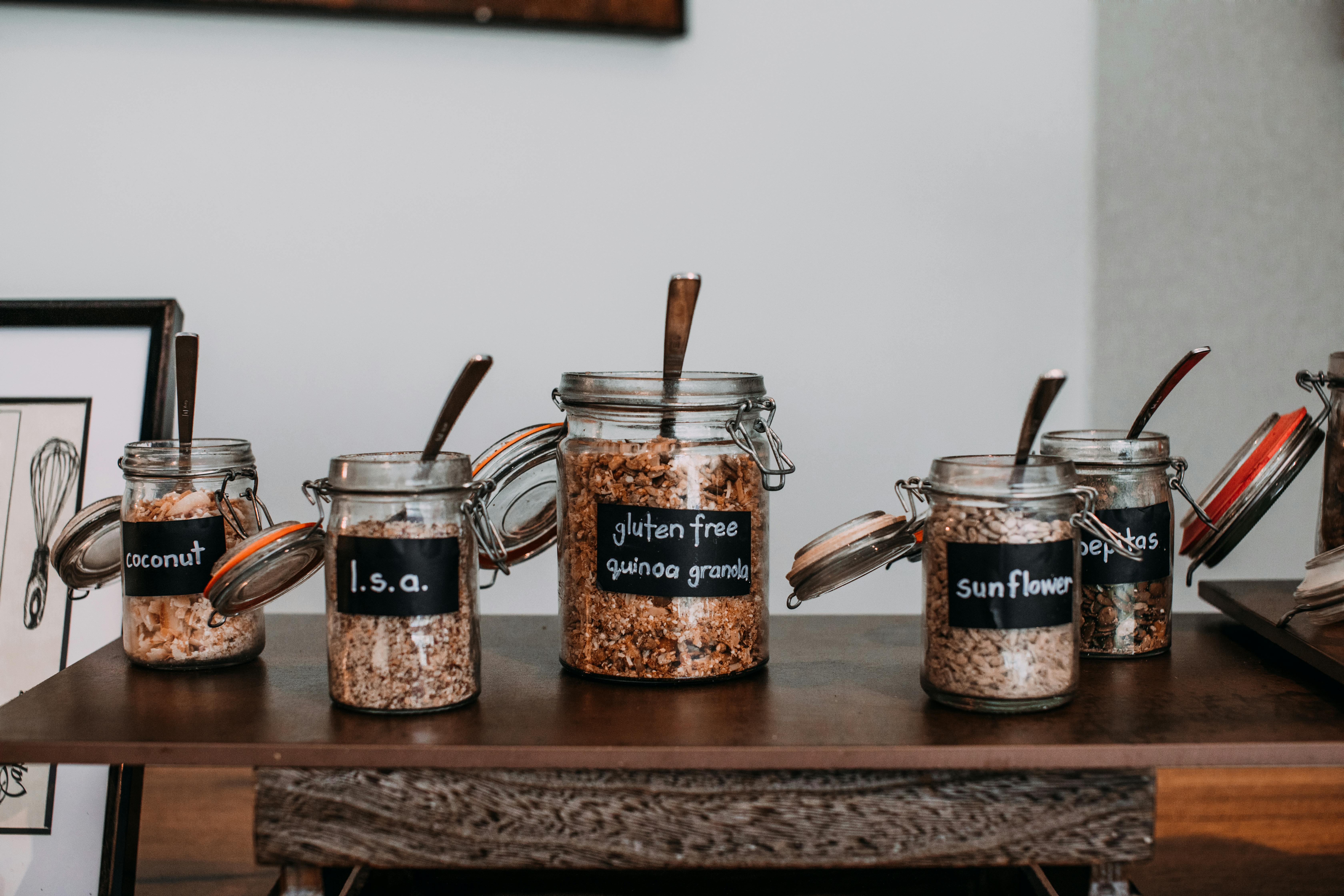
The diagnosis arrives, usually in the form of a blood test or a long-standing intolerance finally taken seriously, and the household member learns that wheat or dairy, or sometimes both, must leave the kitchen. The news is delivered by a doctor in the language of medical necessity: celiac disease, lactose intolerance, milk protein allergy, gluten sensitivity. The household member nods, accepts the report, walks back into the kitchen, and feels, for the first time in their life, that the kitchen has become a difficult place.
The fear, often unspoken, is that food itself has become difficult. That the meals that defined the household will no longer be possible. That the household member is now condemned to a diet of grilled chicken, salads, and a low-grade sense of deprivation that will accompany every meal for the rest of their life. The fear is real, and it is also unnecessary. The good news, which most newly diagnosed people do not know yet, is that Indian cuisine is among the most accommodating in the world for both restrictions. The shift is not toward austerity. It is, more often, toward a return to certain older Indian cooking traditions that the household had forgotten or set aside.
This essay is for the household that has just received the news, or for the household that has been quietly suffering for years without realising the cause. The argument is that the food remains generous; only the inventory shifts.
The Indian advantage
A fact worth establishing first, because most newly diagnosed people in India approach the restriction through the lens of imported diet guides written for Western kitchens. The Western kitchen, built around bread, pasta, cheese, and milk, faces a real reconstruction when wheat or dairy is removed. The Indian kitchen, built around rice, lentils, vegetables, spices, and a much smaller central role for wheat and dairy, faces a much smaller reconstruction.
Many of India's great regional cuisines are naturally wheat-free or dairy-free, often both, in their everyday forms. South Indian everyday cooking is built around rice, lentils, coconut, and tamarind. The dosa, the idli, the sambhar, the rasam, the curd rice, the various poriyals: most are naturally wheat-free, and the dairy that appears (curd, ghee in small amounts) can be replaced or omitted with little loss.
Much of Bengali everyday cooking is built around rice, fish, and mustard. The fish curries, the bhajas, the dals, the shukto, the bhaat: these are largely wheat-free and use little dairy in their daily form. The famous Bengali sweets are dairy-heavy, but the savoury cooking is not.
Maharashtrian and Goan coastal cooking is similarly rice-based, with coconut and tamarind as the binding flavours rather than milk or wheat. The thali of the Konkan coast is naturally accommodating of both restrictions.
Even north Indian cooking, the most wheat-dependent of the major Indian cuisines, has substantial wheat-free and dairy-free traditions: the various rice dishes, the dals, the dry vegetable preparations, the kadhi made without dairy in certain regional versions. The chapati and the paneer are the most prominent items the restriction touches, but they are not the whole of north Indian food.
The Indian kitchen is, when looked at honestly, mostly rice-based and vegetable-based, with wheat and dairy as significant but not central. The household removing them is not abandoning Indian food. It is returning to a version of Indian food that has, in many regions, been the everyday tradition all along.
The substitutions that work
A short and honest guide to the substitutions, because the household ready to cook needs specifics rather than encouragement.
For wheat in flatbreads: Jowar (sorghum), bajra (pearl millet), ragi (finger millet), and rice flour all make rotis with their own character. These are older Indian grains that predated the wheat dominance of the last century and remain widely available, particularly in south and west India. The jowar bhakri and the bajra roti are excellent in their own right, not mere substitutes; the household that has cooked them for a year often prefers them.
For wheat in everyday cooking: Rice replaces wheat as the staple in most meals, and the Indian kitchen accommodates this naturally. The idli, dosa, uttapam, appam, and the various rice-based snacks are all naturally available. Besan (gram flour) is another wheat substitute for cheelas, pakoras, and many other dishes.
For wheat in baking: This is the harder area. Almond flour, rice flour blends, and now widely available gluten-free flour mixes work for some baked goods. The honest acknowledgement: gluten-free baking is its own discipline, and the household member who loved baking may need to learn it as a new skill rather than expect the old recipes to translate.
For dairy in milk and curd: Coconut milk, almond milk, and oat milk are widely available now in India, with coconut milk being the most traditional and the most flavour-aligned for many Indian dishes. Soy curd and almond-based curds are available; the household can also make their own from non-dairy milks.
For ghee: The honest news is that pure ghee is, for many lactose-intolerant individuals, tolerable in small amounts because the lactose has been removed in the clarification. The household should ask their doctor; for many, ghee remains available. For those with milk protein allergies, coconut oil or sesame oil takes ghee's place; the flavour is different but not worse.
For paneer: This is the harder loss. Tofu is the closest substitute in texture, and used well it makes a credible matar paneer-style dish. The household member should not expect the substitute to taste like paneer; it tastes like itself, and it can be excellent on its own terms.
The substitutions that do not work
A small honest counterweight, because not every substitution is convincing.
The gluten-free bread, in most commercial Indian versions, is not very good. The household that tries to replicate the daily wheat roti with a gluten-free version is often disappointed. The better strategy: shift the cuisine itself toward rice-based meals, rather than try to replicate the wheat-based meals with substitutes.
The dairy-free cheese, in most current versions, is also not very good. The household that loved cheese should approach this as a real loss rather than expect a substitute to replace it. The pleasure shifts to other directions.
The dessert that requires both dairy and refined wheat (the gulab jamun, the rasmalai, the cake) is the hardest area. There are workarounds, and they are sometimes excellent, but the household member should accept that some specific pleasures are no longer available in their old form. The wider category of sweets, particularly the rice-based and the fruit-based, remains entirely available.
The dinner party question
Every newly diagnosed household eventually asks: what about hosting? What about being hosted?
The hosting side is easier than expected. The household with the restriction now cooks naturally wheat-free or dairy-free meals, and guests rarely notice. The south Indian thali, the Bengali fish dinner, the Maharashtrian rice meal: all of these can be served to a mixed group without anyone realising they have been served a restricted menu. The food is, in some cases, more interesting than the standard north Indian wheat-and-dairy dinner would have been.
The being-hosted side is harder, and the household member with the restriction will, for the first year or two, feel awkward. The honest practice: tell the host in advance, simply, what cannot be eaten and why. Most hosts in India are gracious about this. Most can adjust at least one dish. The household member can also offer to bring one dish that is safe to eat, presented as a contribution rather than a workaround.
The awkwardness fades. Most social circles, after a year or two, know the household member's restrictions and accommodate them naturally. The dinner table that was, briefly, a source of anxiety becomes, again, a place of pleasure.
The longer view
The household member who has been on a wheat-free or dairy-free diet for a few years, having found the cuisine that works for them, usually reports a surprising outcome. The food has not become austere. It has, in some sense, become more interesting. The jowar roti they had never tried. The coconut-milk-based curries they had only encountered in restaurants. The almond flour cake that became a Sunday tradition. The cuisine has shifted, and the shift has opened up new directions rather than closed off old ones.
The kitchen, the larger thing, is unchanged in its central purpose. It still produces meals that bring the household together. It still hosts the small daily ceremonies of cooking, serving, eating. The instruments are different. The pleasure is, if anything, more attentive, because the household has had to think more about its food rather than reach for the default.
This is, finally, the case that the diagnosis is not a sentence to deprivation. It is, more accurately, a redirection. The household that has accepted the redirection, learned the new cooking, and continued to enjoy its meals, has not lost food. It has, in many cases, found a richer relationship with food than it had before the diagnosis. The kitchen, like the home itself, accommodates more than the household initially feared.